3月:弥生~春は足もとから
弥生三月、春の訪れを五感で捉え、心身を健やかに整えるための知恵をまとめました。二十四節気の「啓蟄」や「春分」にまつわる日本の繊細な美意識——「帷子雪(かたびらゆき)」や和歌に見る生命の息吹——を紐解きます。
あわせて、春特有の心身の揺らぎを整える「苦み」の食養生や、姿勢・呼吸による調整法など、現代を生きる私たちが季節と調和するための具体的な指針を提示します。
3月:弥生~春は足もとから。心と体を整える「苦み」と「呼吸」の知恵
弥生三月、春の訪れを五感で捉え、心身を健やかに整えるための知恵をまとめました。本記事では、作家の石川真理子が二十四節気の「啓蟄」や「春分」にまつわる日本の繊細…
 石川真理子
石川真理子 
4月:卯月~花に重ねる想い
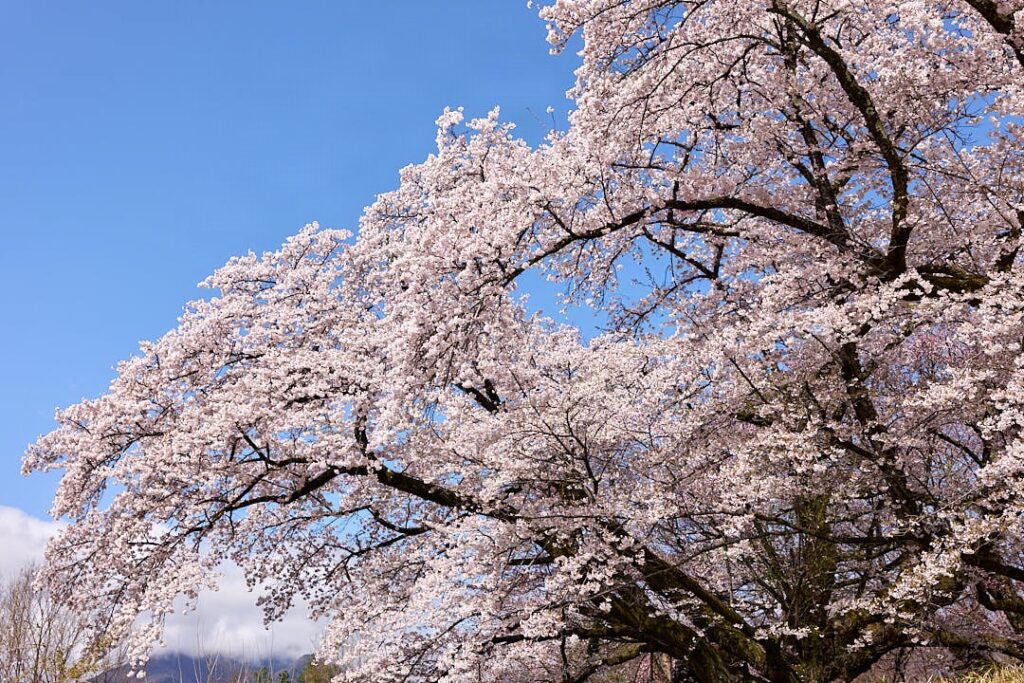
春の盛りを迎える四月。二十四節気の「清明」や「穀雨」に寄せて、日本人が古来より桜に託してきた特別な想いを紐解いてみました。
平安の昔から変わらぬ桜への憧憬や、散りゆく美しさに宿る無常観、そして母との思い出が残る仙台坂の桜まで。
歳を重ねるごとに深まる「今、ここにある春」を愛でる心の在り方を提案します。
4月:卯月〜花に重ねる想い。桜とともに目覚める民族の心と、百花繚乱の喜び
春の盛りを迎える四月。二十四節気の「清明」や「穀雨」に寄せて、日本人が古来より桜に託してきた特別な想いを紐解いてみました。平安の昔から変わらぬ桜への憧憬や、散…
5月:皐月〜木陰までもが緑に染まる。青紅葉の瑞々しさと、古来より女性が担ってきた養蚕の歴史
風薫る五月。色鮮やかな春の花々から、瑞々しい新緑へと景色が移り変わる季節を迎えました。本コラムでは、二十四節気の「立夏」や「小満」に寄せて、この時期ならではの自然の美しさと、古来より日本人が大切にしてきた営みを紐解きます。
明恵上人の面影が残る高山寺や嵐山の祇王寺など、京都の名刹で見られる青紅葉と苔の静謐なコントラスト。そして、かつて女性の重要な「徳」とされた養蚕や機織りの歴史に思いを馳せます。
爽やかな初夏から恵みの雨である走り梅雨へと向かう日々の中で、生命力あふれる自然の息吹を感じながら、心豊かに梅雨支度へ向かうためのヒントをご提案します。
5月:皐月〜木陰までもが緑に染まる。青紅葉の瑞々しさと、古来より女性が担ってきた養蚕の歴史
風薫る五月。色鮮やかな春の花々から、瑞々しい新緑へと景色が移り変わる季節を迎えました。本コラムでは、二十四節気の「立夏」や「小満」に寄せて、この時期ならではの…
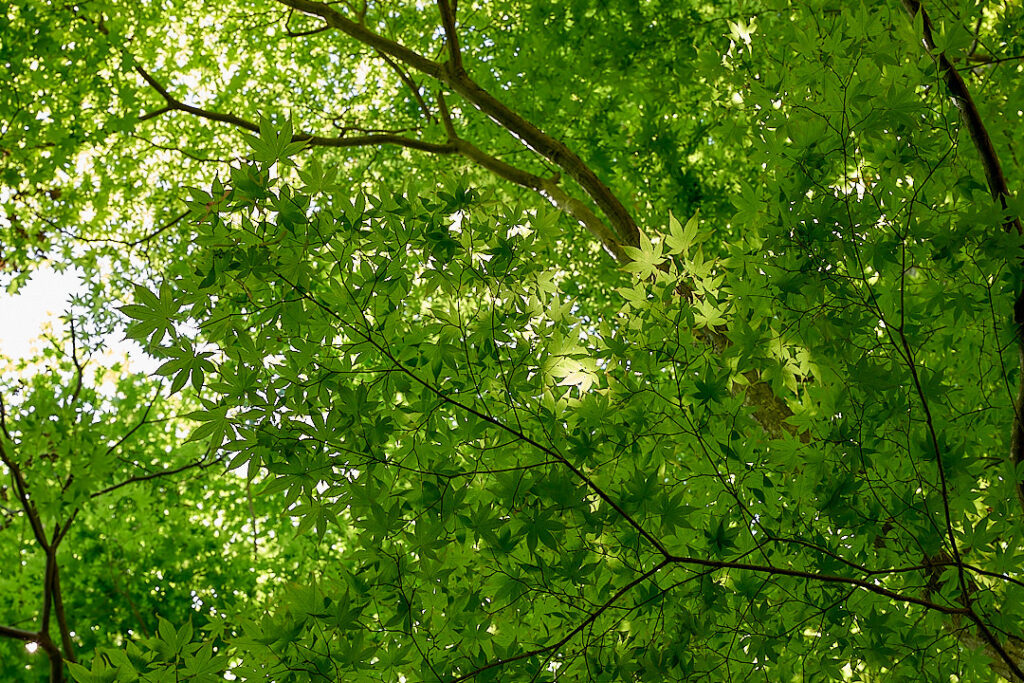
6月:水無月〜しっとりとした静けさをめでる。雨音が育む命と、心と空間を調和させる「お香」の浄化力
六月、目にしみる若葉が濃くなり、しっとりとした雨の季節が始まります。本稿では、作家・武士道研究家の石川真理子が、二十四節気の「芒種」や「夏至」の暦とともに、梅雨の時期を優雅に心地よく過ごすための知恵を紐解きます。湿気があるからこそ豊かに漂う「お香」の愉しみや、心身を整える雨音の「1/fゆらぎ」による瞑想。さらに、一年で最も日が長くなり「陽の気が極まる」夏至の節目に、これまでの半年間を客観的に振り返る心の調え方をお届けします。祖母から受け継いだ日常を慈しむ精神と、曇り空に涼を運ぶ「半夏生」の姿とともに、静寂をめでるひとときをお愉しみください。
6月:水無月〜しっとりとした静けさをめでる。雨音が育む命と、心と空間を調和させる「お香」の浄化力
六月、目にしみる若葉が濃くなり、しっとりとした雨の季節が始まります。本稿では、作家・武士道研究家の石川真理子が、二十四節気の「芒種」や「夏至」の暦とともに、梅…
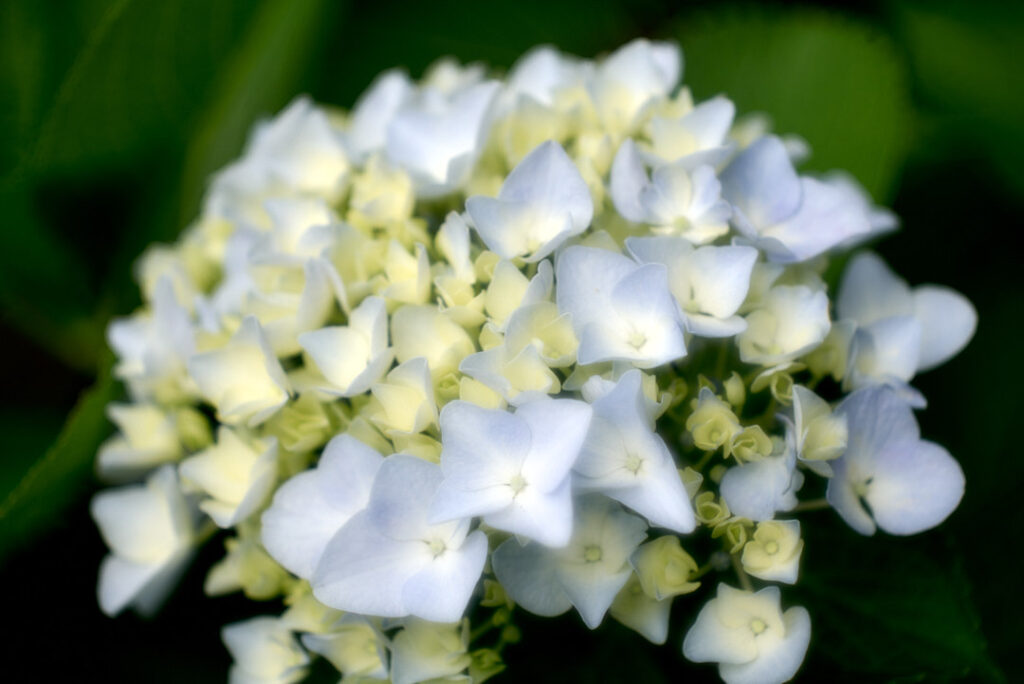
7月:文月〜夏の熱気と早朝の涼をめでる。1200年続く祇園祭の祈りと、心身を癒やし浄化する「花のうてな」
本格的な夏を迎える7月(文月)。小暑から大暑へと季節が移り変わる中、日本各地では熱気あふれる夏祭りが幕を開け、早朝の池では清らかな蓮の花が静かに咲き誇ります。本記事では、1200年以上の歴史を持つ京都・祇園祭の奥深い起源や、法然上人の和歌に詠まれた「うてな」という美しい言葉の響きを通して、厳しい暑さの中に息づく日本人の豊かな感性と美意識を紐解きます。
Welcome to Fumizuki (July), the month of vibrant summer energy in the traditional Japanese calendar. As the season transitions from Shosho (Minor Heat) to Taisho (Major Heat), historic summer festivals like Kyoto's legendary Gion Matsuri come alive, while elegant lotus blossoms quietly open in the early morning stillness. Through the profound origins of these 1,200-year-old traditions and the aesthetic beauty of the word "utena" (lotus pedestal) found in classic waka poetry, this article explores the rich sensibilities and spiritual beauty of Japan nurtured amidst the summer heat.
7月:文月〜夏の熱気と早朝の涼をめでる。1200年続く祇園祭の祈りと、心身を癒やし浄化する「花のうてな」
本格的な夏を迎える7月(文月)。小暑から大暑へと季節が移り変わる中、日本各地では熱気あふれる夏祭りが幕を開け、早朝の池では清らかな蓮の花が静かに咲き誇ります。本…
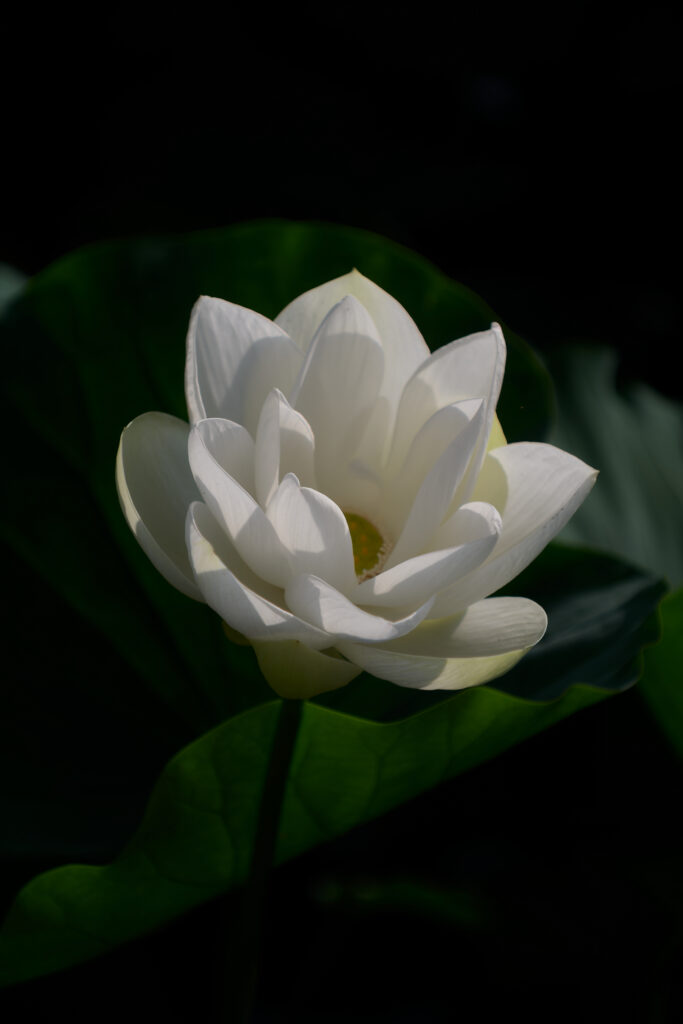
8月:葉月〜厳しい残暑に初秋の気配と夕風を感じる。ご先祖様と英霊に捧げる祈りと、亡き人の霊を慰める「盆踊り」
酷暑の中にも、微かな秋の気配が漂い始める葉月。お盆や終戦の日を迎える八月は、ご先祖様や国のために命を捧げた先人たちに深く思いを馳せる、特別な「祈りの月」でもあります。古き良き日本の風情ある夕涼みや、かつて小泉八雲をも魅了した盆踊りの情景を交えながら、私たちが今生かされていることへの限りない感謝と、日々の暮らしの中で紡いでいきたい「心」を綴ります。
In August (Hazuki), the faint footsteps of early autumn begin to echo amidst the intense summer heat. Marked by the Obon festival and the anniversary of the end of World War II, it is a special "month of prayer" in Japan—a time to deeply reflect on our ancestors and the forebears who sacrificed their lives. Interweaving evocative scenes of traditional summer evenings and the mesmerizing Bon Odori dances, this essay explores our boundless gratitude for the lives we live today and the enduring spiritual mindfulness we should cherish in our daily lives.
8月:葉月〜厳しい残暑に初秋の気配と夕風を感じる。ご先祖様と英霊に捧げる祈りと、亡き人の霊を慰める「盆踊り」
酷暑の中にも、微かな秋の気配が漂い始める葉月。お盆や終戦の日を迎える八月は、ご先祖様や国のために命を捧げた先人たちに深く思いを馳せる、特別な「祈りの月」でもあ…
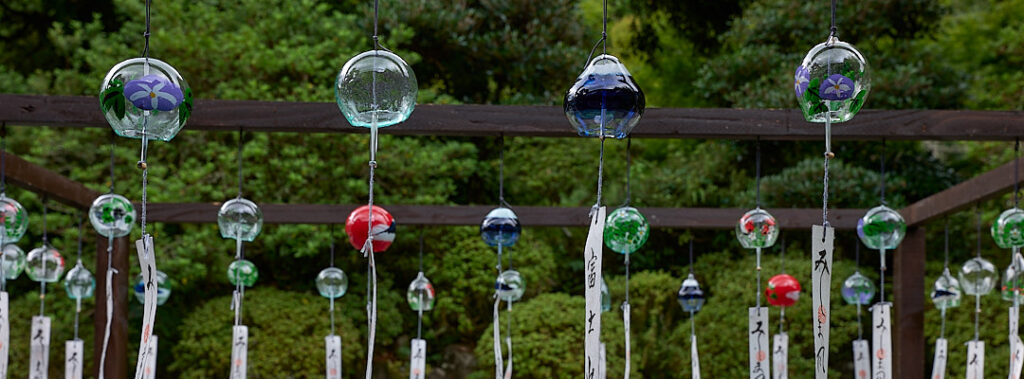
9月:長月~月を愛で心をととのえる
朝晩の風にほんのりと秋の気配が混じり始め、草むらからは涼やかな虫の音が聞こえてくる九月(長月)。日中はまだ夏の暑さが残る時期ですが、自然界は少しずつ、確かに秋の支度を始めています。
今月のエッセイでは、白露や秋分といった暦の移ろいとともに、古来より日本人が大切にしてきた「月を愛でる」風習について綴りました。十五夜のお月見の由来や、明恵上人も心惹かれた「月光浴」による心身の浄化、そしてご先祖様に思いを馳せるお彼岸の過ごし方。
静けさが戻る秋の夜長、美しい月光に包まれて「氣」を整え、日常の中にふくよかな風情を取り入れるヒントをお届けします。
In September (Nagatsuki), the faint signs of autumn begin to ride on the morning and evening breeze, accompanied by the soothing chirping of insects. Though the lingering summer heat often remains, nature is quietly and surely preparing for the new season. This essay explores the subtle transitions of the traditional Japanese calendar, such as Hakuro (White Dew) and the Autumn Equinox, along with the time-honored custom of admiring the moon. We delve into the origins of the harvest moon (Jugoya), the purifying effects of "moonbathing" that captivated historical figures like Myoe Shonin, and the spiritual mindfulness of honoring our ancestors during Ohigan. As the long autumn nights invite tranquility, discover how basking in beautiful moonlight can restore your Ki (inner energy) and bring a sense of elegant serenity to your daily life.
9月:長月~月を愛で心をととのえる
朝晩の風にほんのりと秋の気配が混じり始め、草むらからは涼やかな虫の音が聞こえてくる九月(長月)。日中はまだ夏の暑さが残る時期ですが、自然界は少しずつ、確かに秋…

10月:神無月〜寒露から霜降へ。秋風の音と紅葉狩りを楽しむ豊かな時間
10月、和風月名で「神無月」と呼ばれるこの季節は、二十四節気の「寒露」から「霜降」へと移ろい、秋の気配がいっそう深まる時期です。かすかな秋風の音に耳をすませたり、錦のように染まる山々の紅葉を愛でたりと、古来より日本人は自然の細やかな変化を味わってきました。本記事では、平安貴族から続く紅葉狩りの歴史や、秋の夜長の贅沢な過ごし方をご紹介します。神々が出雲へと集うこの月に、ご自身の今年一年の「実り」を静かに振り返ってみませんか。
October, traditionally known in Japan as Kannazuki (the month without gods), marks the deepening of autumn. As the solar terms transition from Kanro (cold dew) to Soko (frost descent), we are invited to listen to the subtle whispers of the autumn wind and admire the vibrant, brocade-like colors of the changing leaves. This article explores the rich history of Momijigari (autumn foliage viewing) dating back to the Heian nobility, and offers ways to mindfully enjoy the lengthening autumn nights. As the gods gather in Izumo for the coming year, it is a perfect time to quietly reflect on the "harvest" of your own experiences and learnings over the past year.
10月:神無月〜寒露から霜降へ。秋風の音と紅葉狩りを楽しむ豊かな時間
10月、和風月名で「神無月」と呼ばれるこの季節は、二十四節気の「寒露」から「霜降」へと移ろい、秋の気配がいっそう深まる時期です。かすかな秋風の音に耳をすませたり…